
Taekwondo kicking drills for paddles, kick shields, heavy bags, solo and partner practice, plus a 30-minute session, common mistakes and safety tips.
Every guide on Tae Kwon Do Nation, newest first.
Taekwondo kicking drills for paddles, kick shields, heavy bags, solo and partner practice, plus a 30-minute session, common mistakes and safety tips.
Taebaek (태백) is the third black belt poomsae in Kukkiwon and World Taekwondo taekwondo, the form you learn as a 2nd dan to test for 3rd dan. Its name means “bright mountain,” the sacred mountain …

The front kick, called ap chagi in Korean, is the first kick most taekwondo students learn. You lift your knee, snap your lower leg straight forward, strike with the ball of your foot and pull …

Footwork decides if a kick lands, falls short or walks you into a counter. Good taekwondo footwork keeps you light on the balls of your feet, controls the distance to your opponent, changes angles and …
Good technique wins matches. Good conditioning lets you use that technique when you feel tired, stressed, and under pressure. Many taekwondo students train hard in class but skip a structured fitness plan. They count on …

Most taekwondo gear is annoying for a week and then you forget it’s there. A bad mouthguard is different. It makes you feel like you’re breathing through a straw, talking like you’re underwater, and clenching …

If you’ve followed streetwear trends, you’ve likely noticed the buzz around Adidas Taekwondo sneakers. Fashion editors call them the next must-have, replacing the Samba as the slim sneaker of choice. They point to the sleek …

Martial arts meditation and mindfulness both train your attention to stay on what is happening right now: your breath, your body and your next move. In taekwondo, they show up as a short silent meditation …
Strength training for taekwondo should build fast, explosive power in the legs, hips and core, not bulky muscle. For most practitioners, two short strength sessions a week are enough: a main lower-body lift such as …
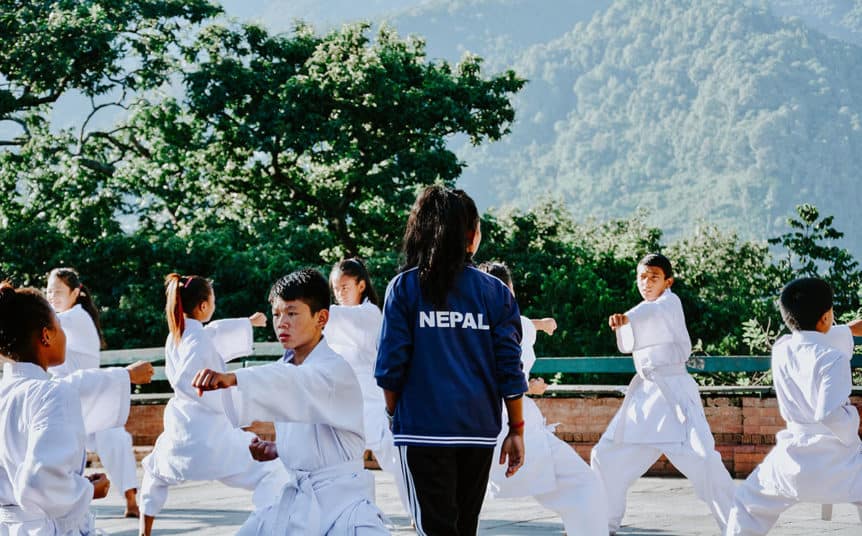
Taekwondo stances, called seogi in Korean, are the positions of the feet and legs that every block, punch and kick starts from. A good stance gives you balance, lets you move in any direction and …
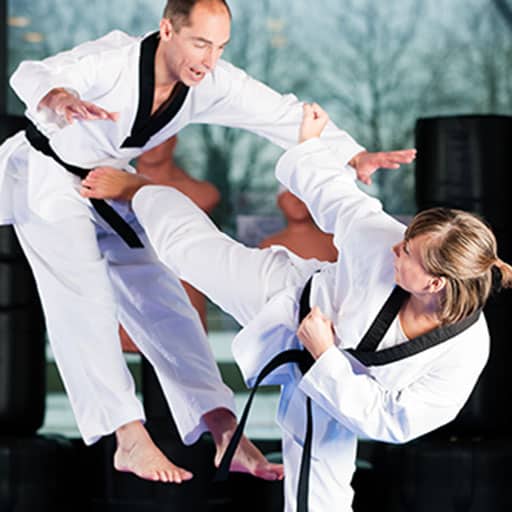
Taekwondo sparring is controlled fighting between two students using kicks, punches and blocks. Kukkiwon and World Taekwondo call it kyorugi, and ITF schools call it matsogi. In a World Taekwondo match, fighters wear electronic body …
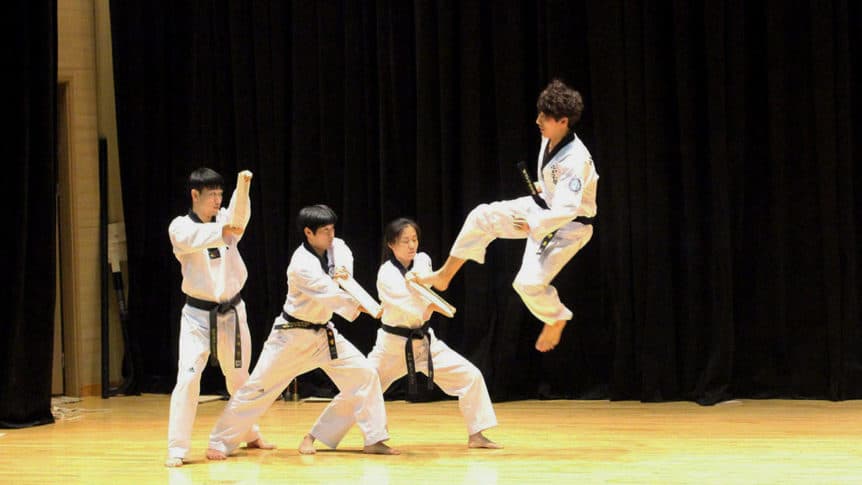
Board breaking, called gyeokpa (also spelled kyukpa) in Korean, is the part of taekwondo where students break pine boards with kicks and hand strikes. It tests power, speed, accuracy and focus, and most schools include …
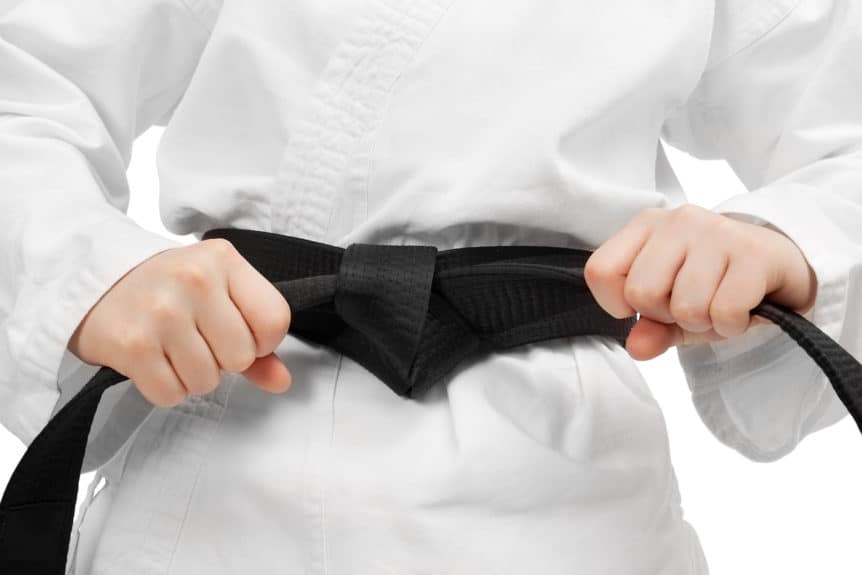
Taekwondo has nine tested black belt levels, called dan, from 1st dan to 9th dan, plus an honorary 10th dan. Students under 15 who pass a black belt test hold poom ranks, 1st to 4th …
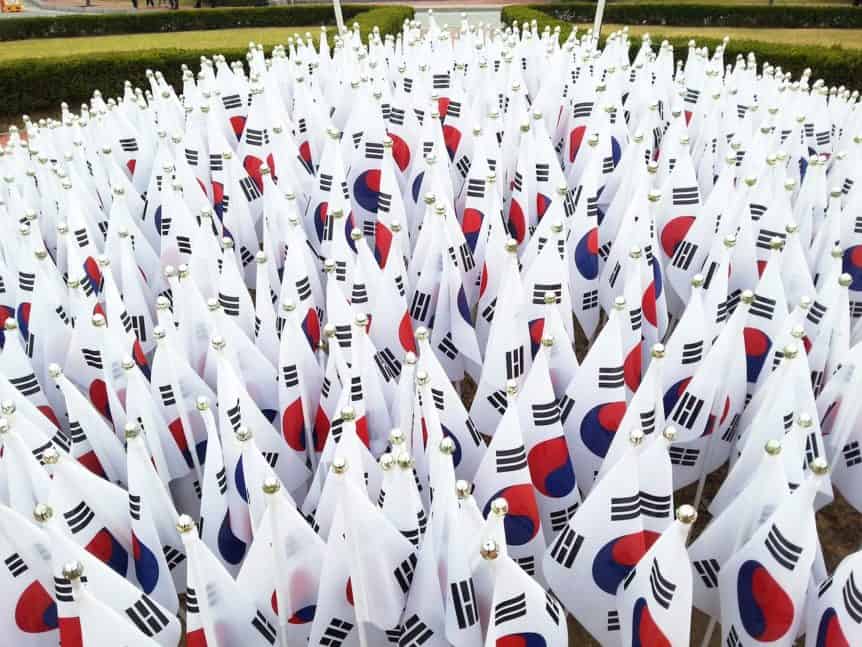
The Korean flag, the national flag of South Korea, is called the Taegeukgi (태극기, also spelled Taegukgi). It has a white background, a red and blue taegeuk circle in the center and four black trigrams, …
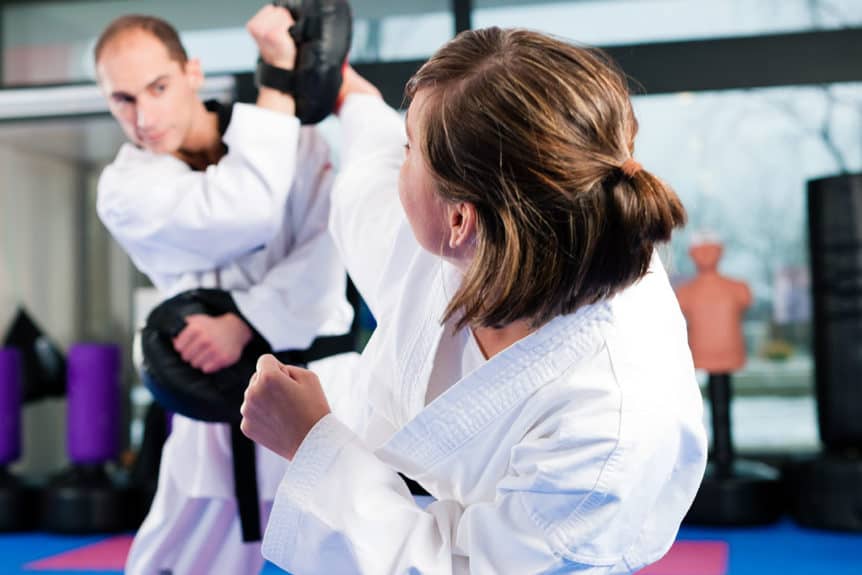
Adults can start taekwondo at any age, and many schools run classes just for adult beginners. You do not need to be fit or flexible on day one: classes start with basic stances, kicks and …
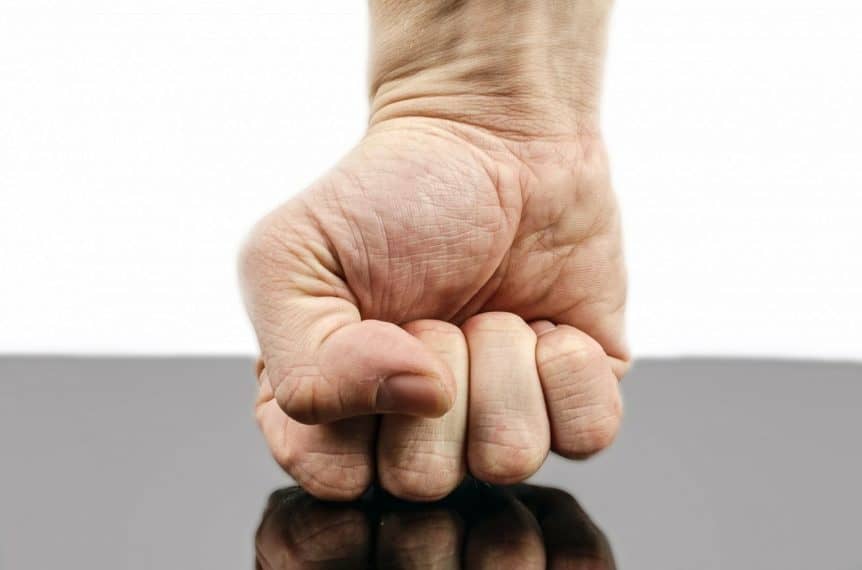
Hand conditioning for taekwondo and other martial arts means gradually making your hands, wrists and fingers stronger and more resilient so you can punch and strike without getting hurt. The safe way is slow and …
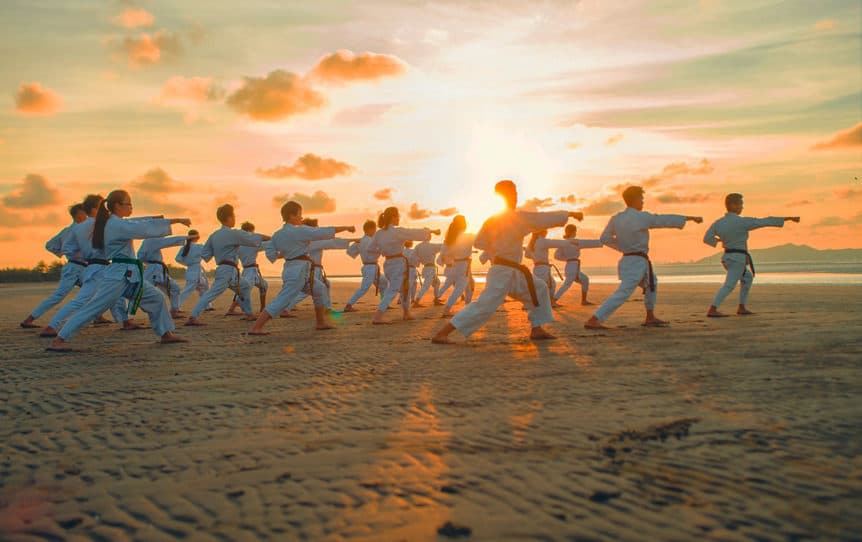
One-step sparring is a taekwondo partner drill in which one student makes a single, announced attack, usually a step-in punch, and the other answers with a set block and counterattack that stops just short of …
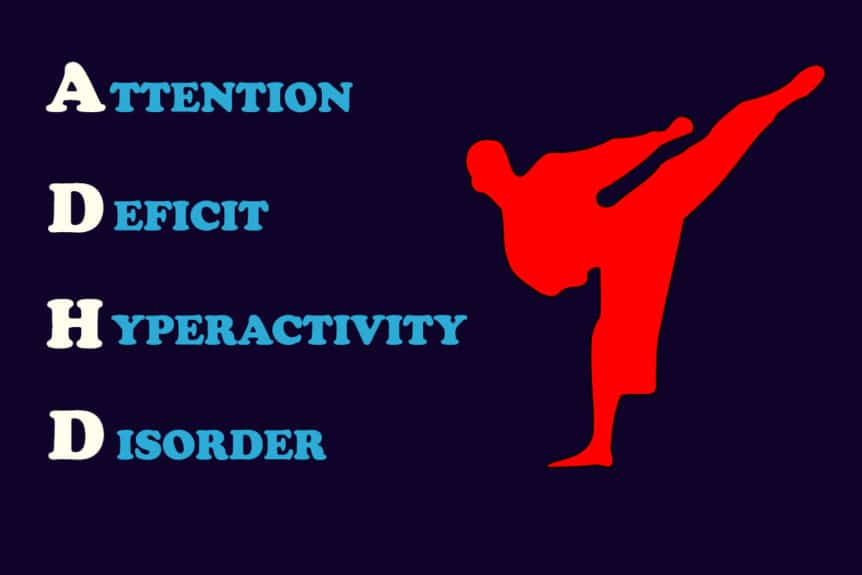
Taekwondo can be a good fit for many kids with ADHD. Classes offer clear structure and routine, short repeated drills, a safe outlet for energy, quick feedback and belt goals that reward effort, and progress …
Yes, taekwondo uses punches. The name itself means “the way of the foot and fist,” and every student learns punches (jireugi) and hand strikes (chigi) from the first class. Kicks score more and get more …
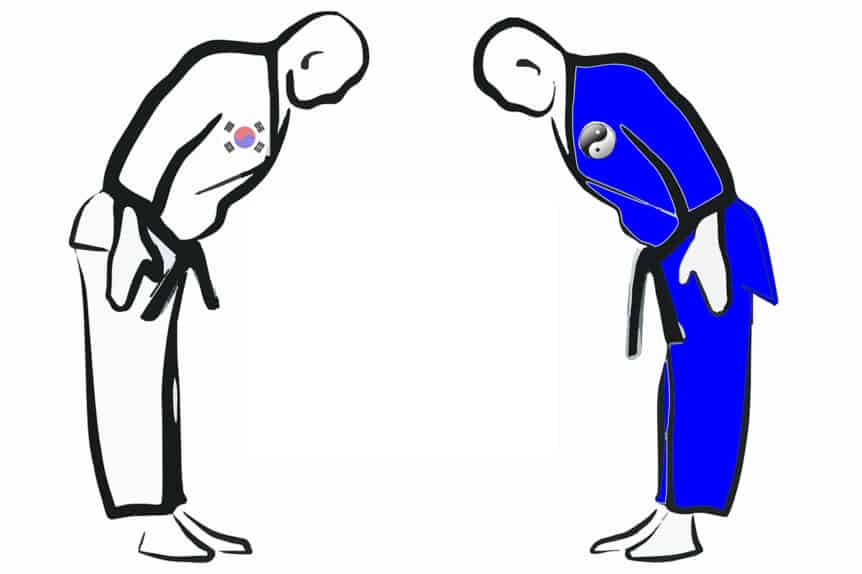
Taekwondo is a Korean martial art and Olympic sport built on long-range, high and spinning kicks. Wing Chun is a southern Chinese kung fu style built for close range, with fast straight punches, trapping and …