
The front kick, called ap chagi in Korean, is the first kick most taekwondo students learn. You lift your knee, snap your lower leg straight forward, strike with the ball of your foot and pull …

Kicks, blocks, stances, stretching and conditioning: how to train each technique and build the fitness taekwondo needs.
The front kick, called ap chagi in Korean, is the first kick most taekwondo students learn. You lift your knee, snap your lower leg straight forward, strike with the ball of your foot and pull …

Footwork decides if a kick lands, falls short or walks you into a counter. Good taekwondo footwork keeps you light on the balls of your feet, controls the distance to your opponent, changes angles and …
Good technique wins matches. Good conditioning lets you use that technique when you feel tired, stressed, and under pressure. Many taekwondo students train hard in class but skip a structured fitness plan. They count on …

Strength training for taekwondo should build fast, explosive power in the legs, hips and core, not bulky muscle. For most practitioners, two short strength sessions a week are enough: a main lower-body lift such as …

Taekwondo stances, called seogi in Korean, are the positions of the feet and legs that every block, punch and kick starts from. A good stance gives you balance, lets you move in any direction and …

Taekwondo sparring is controlled fighting between two students using kicks, punches and blocks. Kukkiwon and World Taekwondo call it kyorugi, and ITF schools call it matsogi. In a World Taekwondo match, fighters wear electronic body …

Board breaking, called gyeokpa (also spelled kyukpa) in Korean, is the part of taekwondo where students break pine boards with kicks and hand strikes. It tests power, speed, accuracy and focus, and most schools include …

Hand conditioning for taekwondo and other martial arts means gradually making your hands, wrists and fingers stronger and more resilient so you can punch and strike without getting hurt. The safe way is slow and …
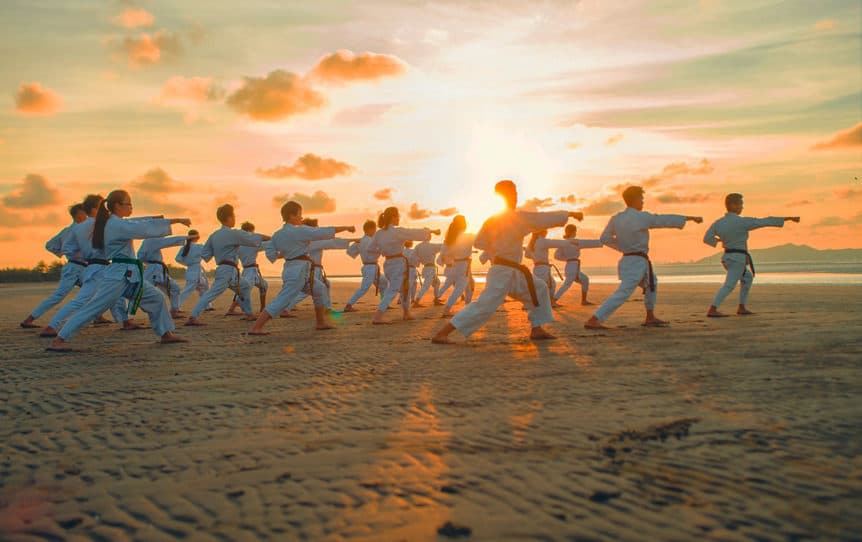
One-step sparring is a taekwondo partner drill in which one student makes a single, announced attack, usually a step-in punch, and the other answers with a set block and counterattack that stops just short of …

Yes, taekwondo uses punches. The name itself means “the way of the foot and fist,” and every student learns punches (jireugi) and hand strikes (chigi) from the first class. Kicks score more and get more …

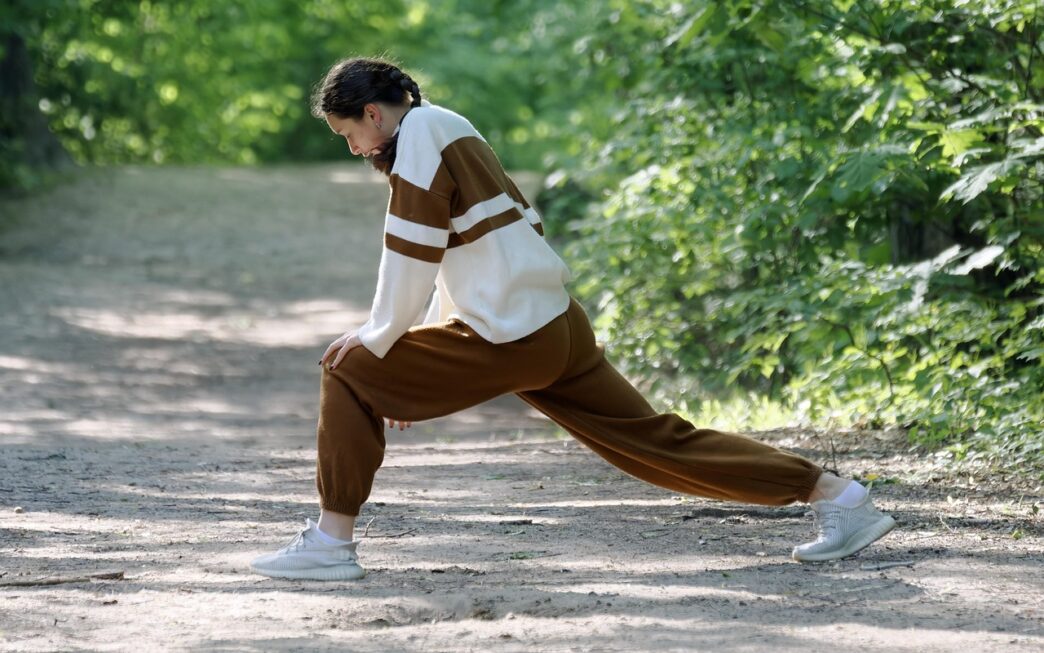
A good taekwondo warm-up takes 10 to 15 minutes and moves from general to specific. Start with light cardio to raise your heart rate and body temperature, then loosen the joints with dynamic stretches such …

A taekwondo sparring combination is two or more techniques thrown in a quick, planned sequence, usually kicks at different heights or angles. The first kick sets up the next: it draws a block, moves the …

When first starting in Taekwondo, as with most martial arts, building a strong foundation is essential. Mastering these three basic kicks will not only enhance your technique but also help you progress through the belt …

Staying hydrated helps you get the most out of martial arts training and avoid fatigue, cramps and headaches (see common taekwondo injuries). Taekwondo classes are intense, with lots of kicking, footwork and sparring, so you …

Martial arts like Taekwondo offer immense benefits – from fitness to self-defense to discipline. But many prospective students get deterred by the prospect of sparring. Is it possible to gain proficiency without it? This post …

Shin conditioning means gradually toughening your shins so that kicks and blocks hurt less and your legs hold up to hard training. It works through slow, repeated loading: bone, skin and the tissue around it …

Yes. Taekwondo can help you lose weight. A typical class mixes cardio, strength, flexibility and skill work, so it burns a lot of energy, and regular training paired with sensible eating can help you lose …

Taekwondo stretching has two jobs. Dynamic stretches before class warm up the hips and legs so you can kick high without straining anything. Static stretches after class build lasting flexibility. Hold each static stretch for …

Balance matters in every martial art, and especially in Taekwondo. With so many types of kicks, you need good balance to perform them well. How does one improve balance in Taekwondo? Children and Adults can …

To do a roundhouse kick in taekwondo, start in a fighting stance, lift the knee of the rear leg into a chamber, turn on the ball of the supporting foot as the hip rolls over, …