
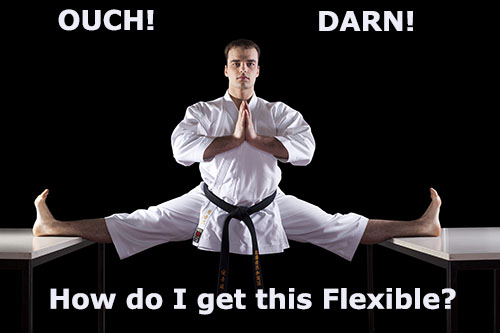
A martial arts stretching machine (leg stretcher) holds your legs in padded supports and spreads them apart a little at a time with a crank, wheel or bar, so you can work on side splits on your own without a partner pushing you. Good options include the Century VersaFlex 2.0, the Titan Fitness leg stretching machine and the ProForce StretchMaster, which are seated machines, and the Yes4All three-bar leg stretcher, a light, low-cost floor tool. None of them are required to get flexible, but they make it easier to stretch consistently and in control. This guide compares the four, explains what to look for, and shows how to use one safely.
| What it does | Opens your legs gradually for side-split (straddle) stretching |
|---|---|
| Best seated machines | Century VersaFlex 2.0, Titan Fitness, ProForce StretchMaster |
| Best budget option | Yes4All three-bar leg stretcher |
| How often | A few times a week, after a warm-up |
| Golden rule | Stretch to mild tension, never to pain |
Health
This is general information, not medical advice. If you have a hip, knee, groin or back injury, or pain that does not go away, check with a doctor or physical therapist before using a stretching machine.
Why flexibility
Why flexibility matters for martial arts
Hip and hamstring flexibility lets you kick higher with good technique instead of leaning back or forcing the kick. It helps with side kicks, roundhouse kicks and head-height kicks, makes stances lower and more stable, and can lower the risk of strains when combined with a good warm-up and strength work. A stretching machine targets one thing very well: the side split (straddle), which uses the inner thighs and hips. See taekwondo kicks and the roundhouse kick.
Compare
Martial arts stretching machines compared
| Machine | Type | Best for |
|---|---|---|
| Century VersaFlex 2.0 | Seated, hand crank, steel frame | Serious, regular stretching in a home dojang |
| Titan Fitness | Seated, wheel crank, padded seat and back | Smooth, controlled home stretching |
| ProForce StretchMaster | Seated, wheel drive, padded supports | Fine control over how deep you go |
| Yes4All three-bar | Floor stretcher, pull bar, ankle loops | Low budget, small spaces, travel |
Seated machines cost more, weigh more and take up floor space, but they support your back and let you stop at any angle. The three-bar stretcher is much cheaper and easy to store, but you sit on the floor and pull the bar yourself. Prices change often, so check the current price before you buy.
The list
4 best martial arts stretching machines
1. Century VersaFlex 2.0
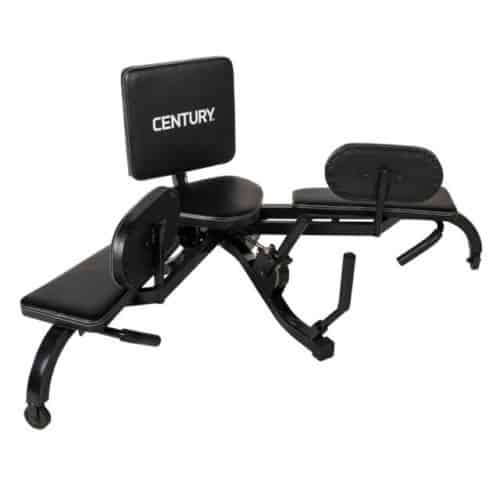
The Century VersaFlex 2.0 from martial arts supplier Century is one of the best-known seated leg stretchers. You sit against a large, supportive backrest, place your legs in the padded supports and use a hand crank to open them a step at a time; a release lets you close them again. It has a heavy-duty steel frame and a removable center handle to hold as you lean forward. It needs assembly and is one of the pricier options, but it is built for regular use.
2. Titan Fitness leg stretching machine
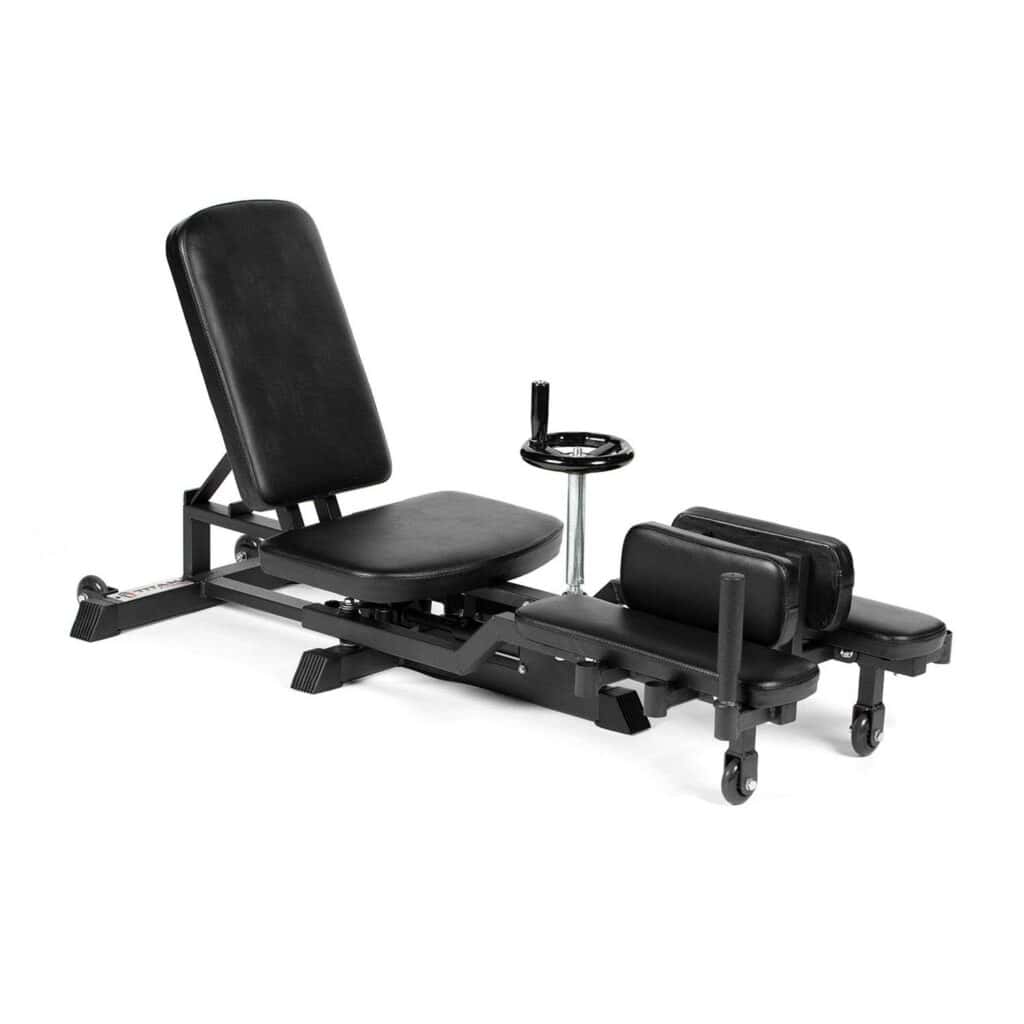
The Titan Fitness Leg Stretching Machine is a seated machine with a padded seat and backrest and a wheel crank that spreads the leg supports gradually. The wheel gives smooth, steady control, which suits daily stretching at home. Like other seated machines, it takes some floor space and some assembly, and it sits in the mid-price range.
3. Yes4All leg split machine
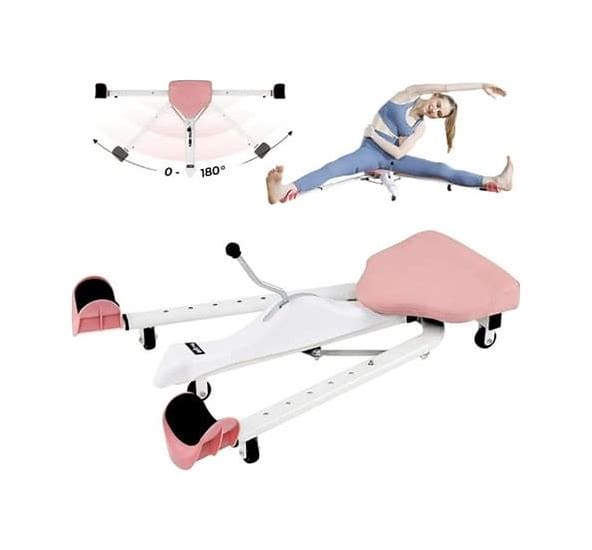
The Yes4All Leg Split Machine is a simple three-bar stretcher. You sit on the floor, put your ankles in the padded loops and pull the center bar toward you to open your legs, with adjustment holes to set how far it goes. It is light, cheap and easy to store or take to class, which makes it a good starter tool. The trade-off is less back support and less fine control than a seated machine.
4. ProForce StretchMaster
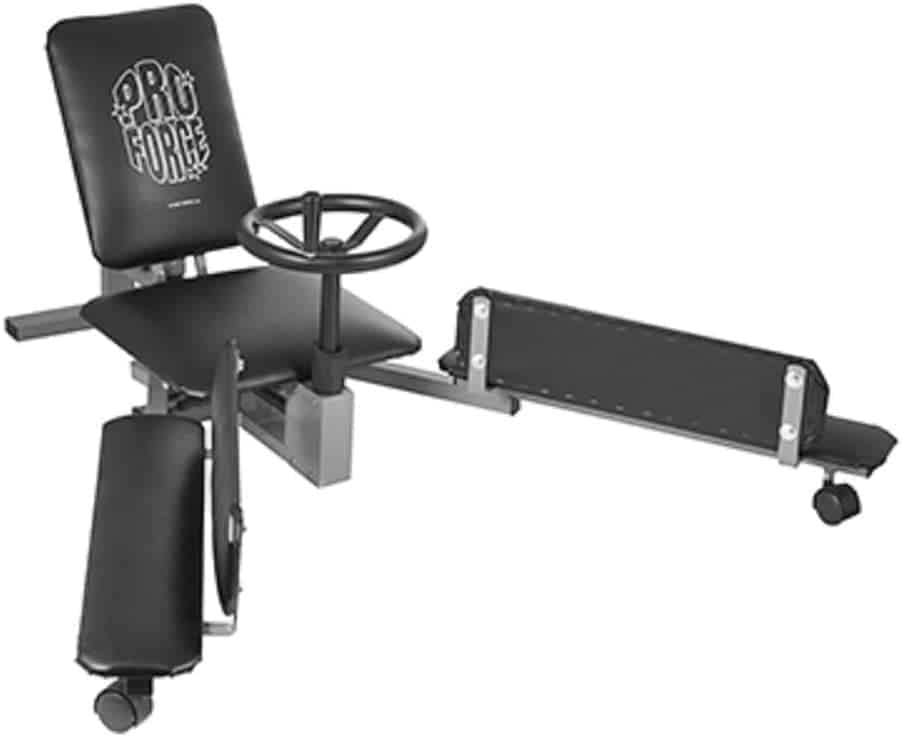
The ProForce StretchMaster II is a long-standing seated leg stretcher from martial arts supplier ProForce. You sit in a padded seat with your legs on cushioned supports and turn a wheel to open them, which gives precise, gradual control over the stretch. It is a good choice for anyone who wants to stretch alone without a partner pulling their legs.
Buying guide
What to look for in a stretching machine
- Control: a wheel or fine crank lets you increase the stretch in small steps. Avoid anything that jumps too far at once.
- Quick release: you should be able to close your legs easily at any point.
- Back support: a padded backrest helps you sit tall and keeps your lower back out of the stretch.
- Padding and fit: leg pads should be long and thick enough to be comfortable for your leg length.
- Build and weight limit: a solid steel frame and a weight limit well above your body weight.
- Space and storage: seated machines need a permanent spot; a three-bar stretcher fits in a closet.
How to use it
How to use a leg stretching machine safely
- Warm up first: 5 to 10 minutes of easy cardio, such as skipping, jogging or cycling, plus a few leg swings. Never stretch cold. See warm-up exercises.
- Sit tall: back against the rest, hips square, knees and toes pointing up.
- Open slowly: widen the machine until you feel a mild stretch in your inner thighs, not pain.
- Hold and breathe: hold for about 30 seconds while breathing slowly, then open a little further if it feels easy.
- Lean forward from the hips with a straight back to stretch the hamstrings as well.
- Close gently: release slowly at the end, then stand and walk around before kicking.
Two to four sessions a week of 10 to 15 minutes is plenty for most people. Progress is slow: expect weeks to months, not days. Static stretching like this is best after training or as a separate session; before kicking, use dynamic stretches such as leg swings. See dynamic vs static stretching.
Tip
Stop if you feel sharp pain, pinching in the hip or knee, or numbness, and never bounce in the stretch. Children should only use a stretching machine with an adult in control of the crank. See common taekwondo injuries.
Without a machine
Do you need a stretching machine?
No. You can reach full splits with floor stretches, wall straddles, partner stretching in class and regular dynamic kicks. A machine simply makes it easier to stretch alone, track your progress and control the intensity. If you train at home, pair it with a regular routine. See how to practice taekwondo at home, how to kick faster and taekwondo for adults.
FAQ
Frequently asked questions
Do leg stretching machines really work?
They can help with side-split flexibility if you use them regularly and progress slowly. The machine does not do the work for you; consistency over weeks and months is what makes the difference.
What is the best stretching machine for martial arts?
Seated machines such as the Century VersaFlex 2.0, Titan Fitness and ProForce StretchMaster give the most support and control. The Yes4All three-bar stretcher is the best low-cost option.
How long does it take to get the splits with a stretching machine?
It varies with age, starting flexibility and how often you stretch. Most people need several months of regular stretching, and some may never reach a full split because of hip structure.
How often should I use a leg stretcher?
Two to four times a week, for about 10 to 15 minutes after a warm-up, is enough for most people.
Are stretching machines safe?
Yes, when used slowly and without forcing. Warm up first, stretch only to mild tension, release slowly, and stop if you feel sharp pain. Check with a doctor or physical therapist if you have a hip, knee or groin injury.
Can kids use a stretching machine?
Only with an adult controlling the crank and keeping the stretch gentle. Most kids gain flexibility easily with normal class stretching and do not need a machine.
The short version
A stretching machine helps you work on side splits alone and in control. Choose a seated machine like the Century VersaFlex 2.0, Titan Fitness or ProForce StretchMaster for support and fine control, or the Yes4All three-bar stretcher for a low-cost option. Warm up first, stretch to mild tension, hold and breathe, and be patient.
Product availability, prices and features change. Check the latest details before you buy.