
Taekwondo training builds fitness, flexibility and practical self-defense skills, and it also teaches respect, self-control and confidence. Classes mix cardio, strength and stretching with kicks, punches, forms and sparring, so it works as both a full workout and a martial art. Children and adults can start at any level. Here are nine reasons to learn taekwondo, what a typical training session includes, and how to get started.
| Physical benefits | Cardio fitness, leg and core strength, flexibility, balance, coordination |
|---|---|
| Mental benefits | Focus, self-control, confidence, stress relief |
| Practical skills | Blocks, strikes, kicks, escapes and awareness for self-defense |
| Who it suits | Kids, teens and adults; beginners start from the basics |
| Typical class | Warm-up, basics, forms, pads or sparring, stretching |
| How to start | Watch a class, try a lesson, train two or three times a week |
Note
This is general information, not medical advice. If you have health concerns or have not exercised in a while, check with your doctor before starting.
The reasons
9 reasons to learn taekwondo
| Reason | What you get |
|---|---|
| 1. Fitness | A full-body workout: cardio, strength and endurance |
| 2. Flexibility | Better range of motion in the hips, legs and back |
| 3. Self-defense | Practical techniques and better awareness |
| 4. Respect and discipline | Etiquette and structure from the first class |
| 5. Self-control | Calm, focus and control under pressure |
| 6. Confidence | Clear goals through belts and new skills |
| 7. Focus and breathing | Concentration and breath control |
| 8. Friends and community | Training partners, teamwork and sportsmanship |
| 9. Fun | Varied, active classes with goals to chase |
1. A full-body workout
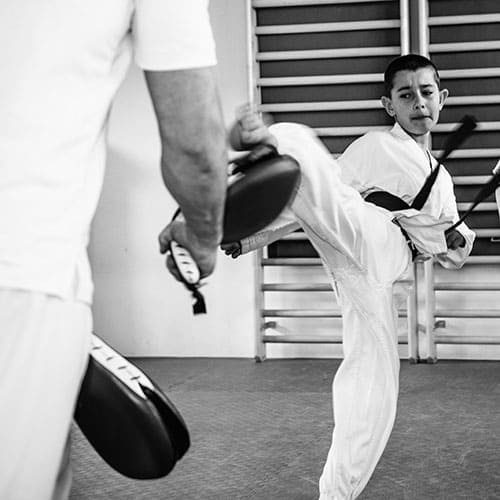
A taekwondo class combines cardio (footwork, kicking drills and pad work), strength (stances, jumps and conditioning) and flexibility work. Kicking builds strong legs and a strong core, and you improve balance and coordination at the same time. Because there is always a new technique or form to learn, many people stick with it longer than a gym routine. See strength training for taekwondo.
2. Better flexibility
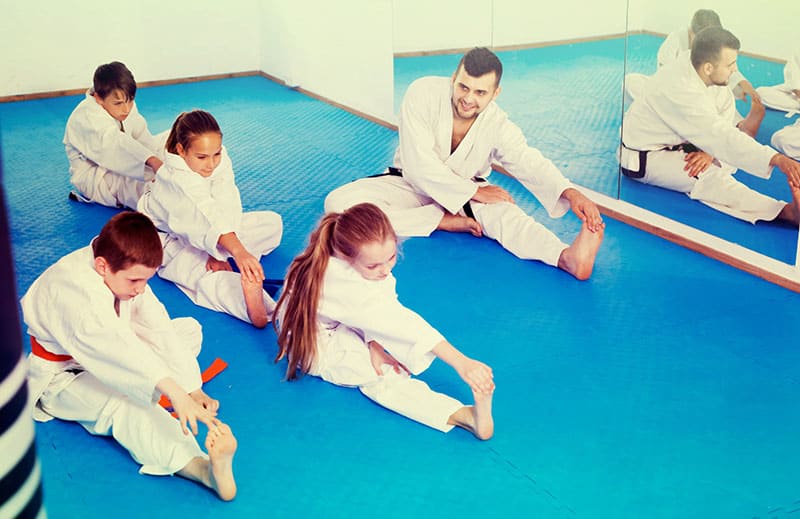
High kicks need flexible hips and hamstrings, so stretching is part of every class. Over months of regular training, most students gain noticeably more range of motion, which also helps posture and everyday movement. See dynamic vs static stretching.
3. Practical self-defense
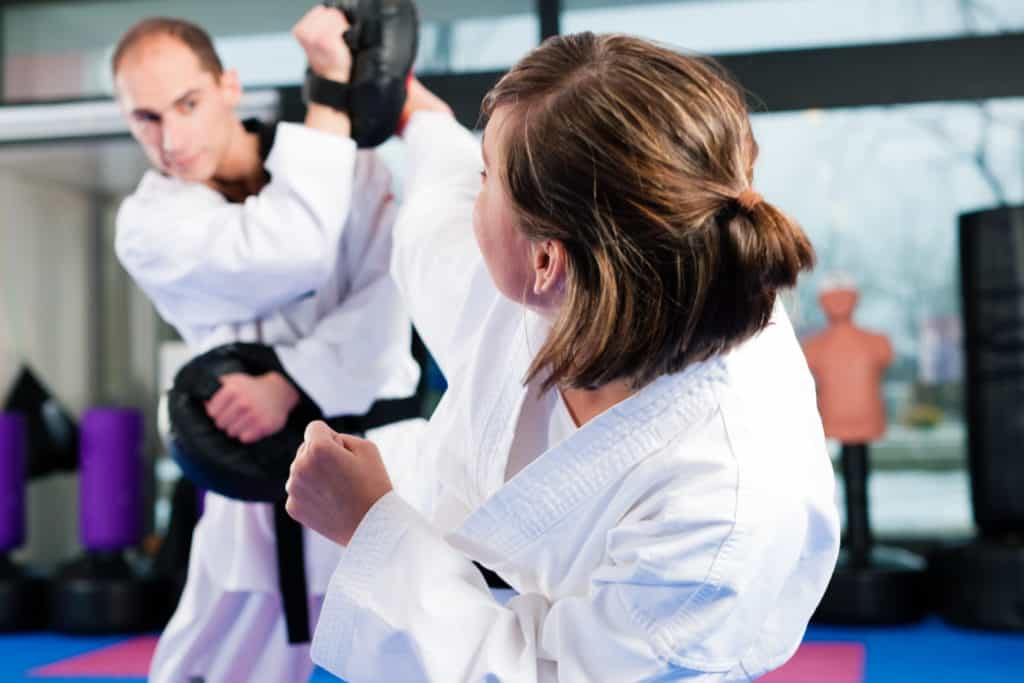
Students learn blocks, punches, kicks and strikes, then put them to work in one-step sparring, self-defense drills and controlled sparring. Training also builds the awareness, timing and calm needed to avoid trouble or get away from it. How practical the self-defense is depends on the school, so ask how much realistic self-defense and sparring it includes. See one-step sparring.
4. Respect and discipline
From the first lesson, students bow to instructors and partners, follow dojang etiquette and listen before they act. This structure teaches courtesy and patience, and many parents choose taekwondo for that reason. The five tenets of taekwondo (courtesy, integrity, perseverance, self-control and indomitable spirit) put these values into words.
5. Self-control
Sparring and forms ask you to stay calm and controlled under pressure: hit the target without losing your temper, stop when the referee says stop, and use only as much force as needed. That control carries over into daily life.
6. Confidence
Belt ranks give clear, reachable goals. Each new form, kick and belt test is proof of progress, and that builds confidence in children and adults alike. See the taekwondo belt order.
7. Focus and breathing
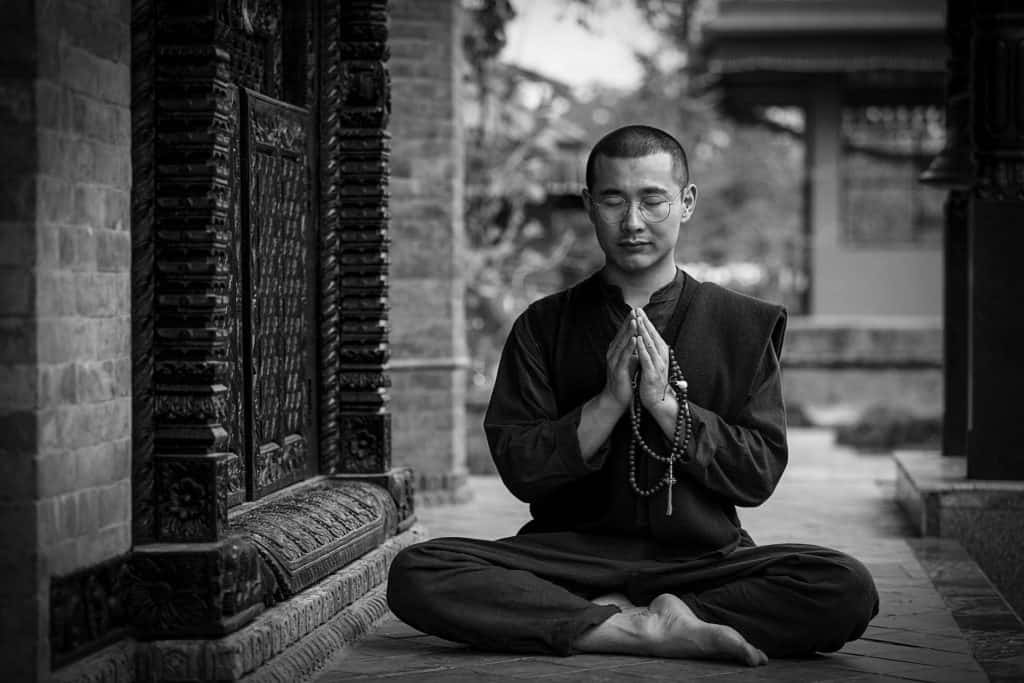
Remembering forms, reacting to a partner and timing each technique train concentration. Students also learn to breathe out sharply on strikes, including the kihap (shout), and to control their breathing when tired. Many people find class a good way to clear their head after work or school.
8. Friends and community
Partner drills and sparring build trust and teamwork. Students of different ages and ranks train together, older students help newer ones, and tournaments teach sportsmanship. Family classes let parents and children train side by side.
9. It is fun
Kicking pads, learning jumping and spinning kicks, breaking boards and moving up the belt ranks keep classes varied. Having fun is what keeps people training long enough to get all the other benefits.
Training
What taekwondo training includes
Schools differ, but most classes follow a similar pattern. Beginners usually train two or three times a week.
| Part of class | What you do |
|---|---|
| Warm-up and conditioning | Light cardio, joint mobility, push-ups, squats and core work |
| Basics | Stances, blocks, punches and kicks, often counted in Korean |
| Forms | Poomsae (WT) or patterns (ITF) for your next belt |
| Pads and drills | Kicking pads, footwork, speed and reaction drills |
| Self-defense and sparring | One-step sparring, self-defense drills, then controlled sparring with gear |
| Cool-down | Stretching and breathing |
More detail: what beginners learn first, warm-up exercises, footwork drills and poomsae.
Getting started
How to start learning taekwondo
- Find a school: watch a class, ask about the instructors’ rank and experience, and take a trial lesson. See how to find a good taekwondo school.
- Pick a style: World Taekwondo (Olympic style), ITF or another organization. See taekwondo styles.
- Check the cost: monthly fees, testing fees, uniform and gear. See how much taekwondo costs.
- Train regularly: two or three classes a week plus a little stretching and forms practice at home.
- Learn the language: see taekwondo terminology.
For age-specific advice, see taekwondo for kids and taekwondo for adults.
FAQ
Frequently asked questions
What are the benefits of taekwondo?
Fitness, flexibility, strength, balance and coordination, plus self-defense skills, discipline, self-control, focus and confidence.
Is taekwondo a good workout?
Yes. Classes combine cardio, strength and flexibility work, and kicking drills and sparring are demanding full-body exercise.
Is taekwondo good for self-defense?
It can be. It teaches strikes, kicks, blocks and awareness. How useful it is depends on how much realistic self-defense practice and sparring a school includes.
Is taekwondo worth it?
For most people who enjoy it and train regularly, yes: it combines a workout, a skill and a community. Try a class first to see if the school suits you.
How often should you train taekwondo?
Two or three classes a week is a common starting point, with some stretching and forms practice at home.
Can adults learn taekwondo?
Yes. Adults start at every age, and many schools run adult or family classes that begin with the basics.
The short version
Taekwondo training gives you a full-body workout, better flexibility and practical self-defense skills, along with respect, self-control, focus and confidence. Classes combine conditioning, basics, forms, pad work and sparring. Find a good school, try a class and train two or three times a week to get the benefits.