
Adults can start taekwondo at any age, and many schools run classes just for adult beginners. You do not need to be fit or flexible on day one: classes start with basic stances, kicks and punches, and fitness and flexibility build as you train. Adults take up taekwondo for exercise, stress relief, self-defense, confidence or to train alongside their children. This guide covers the benefits, what a beginner class looks like, how to prepare, how to train safely if you are starting in your 40s, 50s or later, and how to stick with it.
| Can adults start? | Yes, at any age; many schools have adult-only or family classes |
|---|---|
| Fitness needed | None to begin; it builds with training |
| Main benefits | Fitness, flexibility, balance, stress relief, confidence, self-defense |
| First belt test | Usually within the first few months |
| Black belt | Usually several years of regular training |
| Before you start | See your doctor if you have health concerns; try a trial class |
Benefits
Benefits of taekwondo for adults
Fitness
A full-body workout
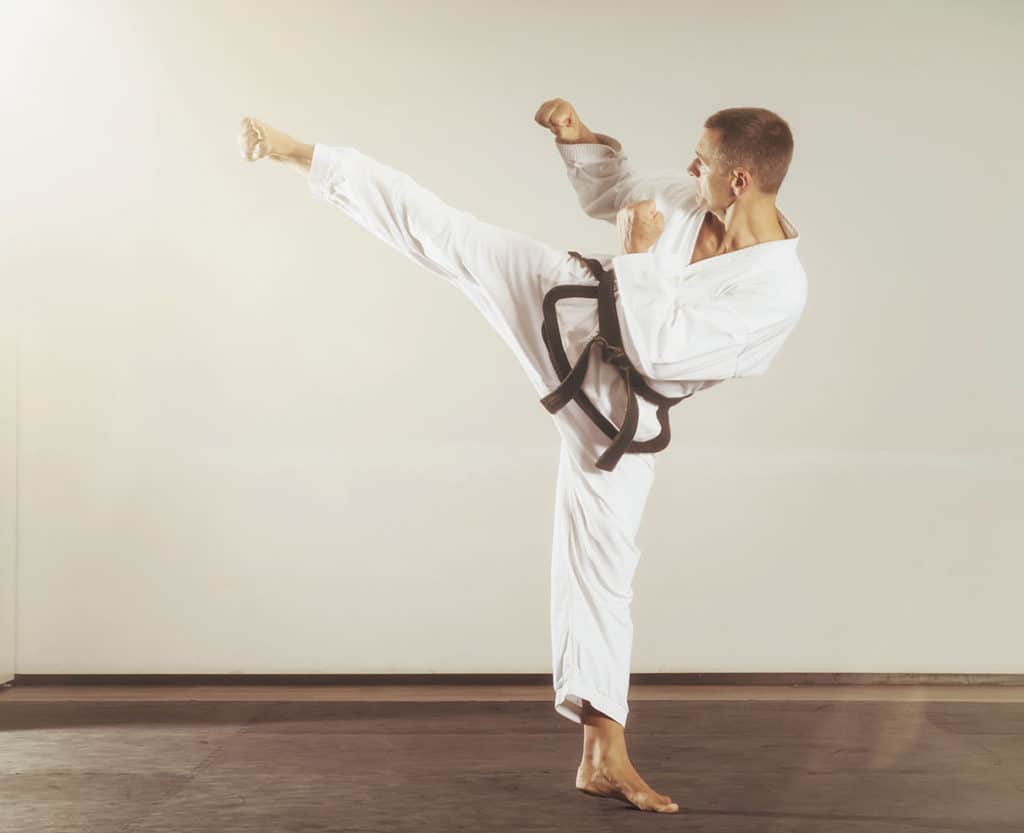
Kicking drills, footwork and conditioning work the heart, legs and core, and build strength and endurance.
Flexibility
Better range of movement
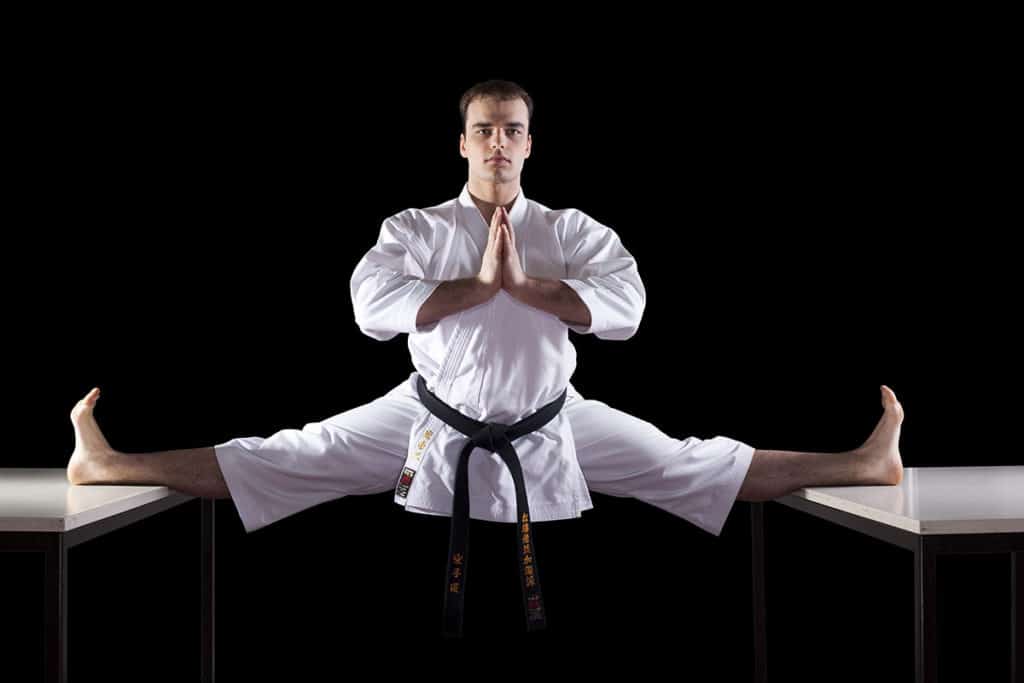
Regular stretching for kicks loosens the hips, hamstrings and back over months of training.
Balance
Coordination and balance
Standing on one leg to kick and moving through forms train balance and coordination, which matter more with age.
Stress relief
A break for the mind
Hitting pads and concentrating on forms leaves little room to think about work, and many adults find class calming.
Confidence
Goals you can see
Each new form and belt is a clear goal reached through steady effort.
Self-defense
Practical skills
Blocks, strikes, escapes and one-step sparring give a basic grounding in protecting yourself.
Focus
Concentration
Remembering forms and responding to a partner trains memory and attention.
Community
Friends and family
Adult classes are a social outlet, and family classes let parents train with their children.
Note
This is general information, not medical advice. If you have heart, joint or other health concerns, or have not exercised in a long time, check with your doctor before starting.
In class
What a beginner taekwondo class looks like
Classes differ between schools, but a typical adult class follows this pattern. Instructors adjust the pace for beginners.
| Part of class | Typical length | What you do |
|---|---|---|
| Bow-in and warm-up | 10–15 min | Light cardio, joint mobility and stretching |
| Basics | 15–20 min | Stances, blocks, punches and kicks, counted in Korean |
| Forms | 10–15 min | Poomsae or patterns for your next belt |
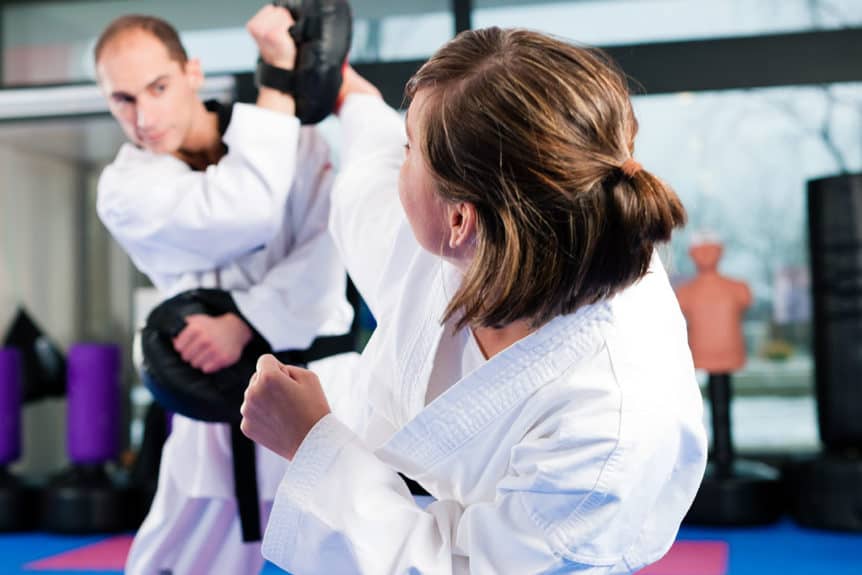
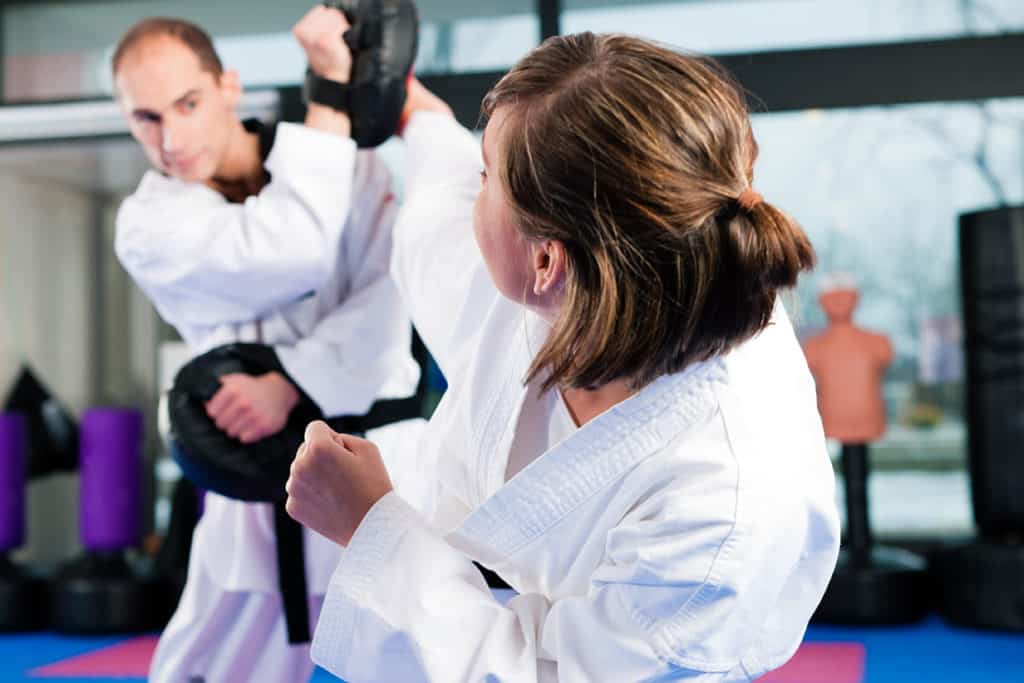
| Pads and partner work | 10–15 min | Kicking pads, one-step sparring, and later light sparring with gear |
| Cool-down | 5–10 min | Stretching, breathing and bow-out |
You will start with basic kicks such as the front kick and roundhouse kick and add spinning and jumping kicks as you improve. Sparring is usually introduced gradually, with protective gear and controlled contact. See what beginners learn first, taekwondo kicks and the Korean words used in class.
Getting ready
How to prepare for your first class
- Check with your doctor if you have joint problems, heart or blood pressure concerns, or other conditions.
- Visit schools and take a trial class. Watch how instructors teach adults, ask about their qualifications and look at class sizes. See how to find a good taekwondo school.
- Ask about cost and contracts: monthly fees, testing fees, the uniform and sparring gear. See how much taekwondo costs.
- Start stretching at home: a few minutes a day on the legs and hips makes early classes easier. See dynamic vs static stretching.
- Wear comfortable clothes for a trial class; you will buy a uniform (dobok) if you join. Most schools train barefoot. See how to buy a taekwondo uniform.
- Tell the instructor about any injuries or limits so they can adapt drills for you.
Older beginners
Starting taekwondo in your 40s, 50s or later

You are not too old to learn taekwondo. Older beginners usually progress more slowly in speed and flexibility, but they often bring patience, focus and good judgment about their own bodies. The key is training for the long term.
| Challenges | Advantages | |
|---|---|---|
| Speed and agility | Slower reactions than younger students | More attention to precision and timing |
| Endurance | Cardio may take time to build | Better at pacing yourself |
| Body | Stiffer joints, longer recovery, old injuries | Knowing your limits and listening to your body |
| Mindset | Feeling out of place among younger students | Patience and steady commitment |
- Warm up longer. Give your joints and muscles extra time before kicking.
- Build height slowly. Low and middle kicks are just as useful while your flexibility improves.
- Skip what does not suit you. Jumping and spinning kicks are optional for many adults; ask your instructor about alternatives.
- Use support if you need it. Knee or elbow sleeves can help some people; ask your doctor or a physical therapist.
- Ask about light-contact sparring. Many schools let adults spar at low intensity or skip contact sparring.
- Rest between hard sessions. Showing up regularly matters more than training hard every time.
In sparring, timing and distance beat raw speed: a well-timed block and counter works against faster partners. See the taekwondo sparring guide and warm-up exercises.
Common hurdles
Common challenges for adult beginners
- Feeling awkward: everyone forgets forms and fumbles kicks at first. Instructors expect it.
- Getting tired: classes can be intense. Take short breaks when you need them; stamina builds within weeks.
- Soreness and minor injuries: use good technique, wear gear for sparring and rest when something hurts.
- Finding time: two classes a week plus a little home practice is enough to make steady progress.
- Training with younger students: many schools mix ages, and most students are focused on their own progress.
Sticking with it
Tips for adult students
- Set small goals: one new kick, one form, the next belt.
- Ask questions; instructors want to help adults understand why a technique works.
- Practice forms for 10–15 minutes at home a few times a week.
- Add strength and mobility work outside class. See strength training for taekwondo and yoga for taekwondo.
- Train with a friend, partner or your children to stay motivated. See taekwondo for kids.
- Be patient. Flexibility and skill take months, and black belt takes years.
For the ranks ahead, see the taekwondo belt order and black belt levels.
FAQ
Frequently asked questions
Can you learn taekwondo as an adult?
Yes. Adults start taekwondo at every age, and many schools run adult-only or family classes that start from the basics.
Am I too old to start taekwondo?
Usually not. People start in their 40s, 50s and later. Train at your own pace, warm up well, skip techniques that do not suit you and check with your doctor if you have health concerns.
Do I need to be fit or flexible to start?
No. Fitness and flexibility improve with training. Classes are designed to build them gradually.
How long does it take an adult to get a black belt?
It depends on the school and how often you train, but it usually takes several years of regular classes.
Is taekwondo good exercise for adults?
Yes. It combines cardio, strength, flexibility and balance work in one class, along with self-defense skills.
Do adults have to spar?
Most schools introduce sparring gradually, with gear and controlled contact. Many let adults choose light contact or skip contact sparring.
The short version
You can start taekwondo as an adult at any age. Classes build fitness, flexibility, balance, confidence and self-defense skills from the basics up. Check with your doctor if needed, try a class, tell the instructor about any limits, warm up well and progress at your own pace. Older beginners do well by training smart: lower kicks, longer warm-ups, light sparring and steady attendance.